

Resistance Band Pull Apart
- Músculo objetivo
- Deltoid Posterior
- Músculos sinergistas
- Infraspinatus, Teres Minor, Trapezius Lower Fibers, Trapezius Middle Fibers
- Equipamiento
- Resistance Band
- Parte del cuerpo
- Shoulders
- Tipo
- Strength
The Resistance Band Pull Apart targets the posterior deltoid while engaging the infraspinatus, teres minor, and both the middle and lower trapezius fibers as synergists. By pulling a resistance band apart horizontally at chest height, it strengthens the upper back and rear shoulders, making it a reliable exercise for improving posture and shoulder stability.
Cómo hacer el Resistance Band Pull Apart
- 1Stand upright with your feet shoulder-width apart and hold a resistance band with both hands, palms facing down.
- 2Extend your arms straight out in front of you at shoulder height, with the band taut between your hands.
- 3Keep a slight bend in your elbows throughout the movement to reduce joint stress.
- 4Squeeze your shoulder blades together and pull the band apart by moving both arms outward to your sides.
- 5Continue pulling until the band touches or nearly touches your chest, with your arms fully extended to each side.
- 6Pause briefly at the end range, feeling the contraction in your rear shoulders and upper back.
- 7Slowly return your arms back to the starting position in front of you, maintaining tension on the band.
- 8Repeat for the desired number of repetitions without letting the band go slack between reps.
Consejos de técnica
- Lead the movement with your elbows rather than your hands to better engage the posterior deltoid.
- Keep your shoulders pulled down and away from your ears throughout the entire movement.
- Maintain a neutral spine and avoid arching your lower back as you pull the band apart.
- Choose a band resistance that allows you to complete all reps with full range of motion and control.
- Focus on a slow, controlled return to the start to keep the muscles under tension on both phases of the movement.
Errores comunes
- Using too much resistance and shortening the range of motion, which reduces stimulus on the posterior deltoid and trapezius fibers.
- Shrugging the shoulders upward during the pull, which shifts the work away from the target muscles and onto the upper trapezius.
- Bending the elbows excessively, turning the exercise into a row rather than a horizontal abduction movement.
- Allowing the band to snap back quickly on the return, removing the eccentric load that contributes to muscle development.
- Leaning the torso back as the band is pulled apart, which compensates with body momentum instead of shoulder strength.
Preguntas frecuentes
How many reps should I do for the resistance band pull apart?
Most people benefit from 3 to 4 sets of 15 to 25 repetitions. The exercise uses a lighter load and is well suited to higher rep ranges that build endurance and stability in the rear shoulder and upper back muscles.
Where should I feel the resistance band pull apart?
You should feel the primary work in the back of your shoulders (posterior deltoid) and across your upper back, particularly between the shoulder blades where the middle and lower trapezius fibers are active.
Can I do resistance band pull aparts every day?
Because the exercise uses relatively light resistance and targets stabilizer muscles, many people perform it daily as part of a warm-up or shoulder health routine. Pay attention to any signs of soreness or fatigue and rest if needed.
What resistance band should I use for pull aparts?
A light to medium resistance band is recommended for most people. The band should be challenging enough that the last few reps of each set require effort, but light enough that you can maintain full range of motion and control throughout.
Is the resistance band pull apart good for posture?
Yes. The exercise strengthens the posterior deltoid, middle and lower trapezius, and other upper back muscles that counteract the forward shoulder rounding common from prolonged sitting or pushing-dominant training programs.
Ejercicios relacionados
 Resistance Band Half Kneeling Face PullShoulders
 Resistance Band Pull Apart (45 degrees)Shoulders
 Resistance Band Rear FlyShoulders
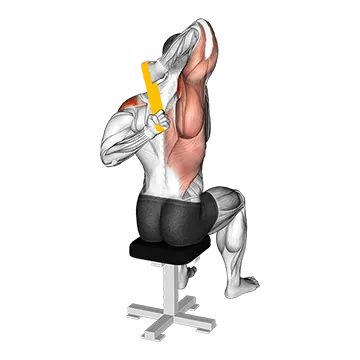 Resistance Band Shoulder Stretch Behind the BackShoulders
 Band Face PullShoulders
 Band horizontal Pallof Press with Resistance Band SquatHips, Thighs, Waist
 Band rear delt rowShoulders
 Band reverse flyShoulders